


Compact soil is a huge obstacle for creating a lush, green lawn. It creates a physical barrier, preventing deep root formation. All plant life needs nutrients, water and oxygen, but compact soil limits these resources, stifling growth. Fertilizers and pesticides have minimal effect because they cannot penetrate the soil, and ultimately wash away. Aerating your lawn is a technique to improve permeability. It counteracts compacted soil by removing small plugs from the topmost layer of earth. Aeration should be considered for all high-traffic areas, lawns with excess thatch, and clay soil.
Reasons to Aerate your Lawn
Compact Soil
Compact soil features severely limited pore space that would otherwise contain air. The lack of open space prevents roots from growing deeply, and lawn treatments and grass seed from entering the ground. Grass with shallow root systems have restricted access to water and nutrients, and result in poor draught tolerance. Additionally, compact soil causes excess thatch buildup as soil microorganisms are less effective. All these characteristics make for a weak lawn and a prime target for weeds like crabgrass. Click here to learn more about weed control and weed and feed.
Clay Soil
Clay soil is comprised of small, tightly packed particles with a diameter less than 0.002mm. If you examine the structure of these particles, you’ll find it resembles overlapping plates with very tiny pores. For that reason, clay soil also prevents deep root systems and creates a physical barrier. Aerating clay soil can be very difficult as it is so cohesive.
If you’re unsure if your lawn will benefit from aeration, the Virginia Cooperative Extension suggests removing a square foot of lawn at least six inches deep. Examine the root structure and if they extend only into the first 2 inches, your soil may be compacted.
Benefits of Aerating your Lawn
Better Drainage & Reduced Runoff
In addition to shallow roots, compact soil prevents water from entering the ground. Pooling rainfall and irrigation can encourage fungal disease and attracts soil insects and pests. Runoff occurs because chemical intended for the grass is washed into the water system due to poor infiltration. Aerating your lawn allows water and treatments to better enter the ground. Click here to read more about reducing runoff and how to best water your lawn.
Decompose thatch
A certain amount of thatch is good for your lawn and will help reduce weeds and lock in moisture. Generally, a 1/2″ layer of thatch is acceptable but more indicates an excessive buildup. In addition to bagging lawn clippings, aerating the ground opens up heavy thatch by increasing the activity of microorganisms that aid in decomposition.
Before Seeding and Fertilizing
Aerating is suggested before spreading grass seed and fertilizer. It makes sense that removing tiny plugs allows granules and seeds a better opportunity to take hold. This can also be true for weeds so it’s best to aerate a lawn with minimal weeds and to avoid weed germination periods.
Spike vs. Core Aeration
Core/Plug aerators actually pull a cylinder (1-6 inches tall) of soil out of the ground. This allows your lawn to expand and provides direct access for all the good things grass needs to grow. It’s the most effective way to aerate your lawn. Using spikes to aerate your lawn isn’t nearly as helpful. It doesn’t improve access as much and can even further compact soil.
When to Aerate
When to aerate depends on your soil and grass type. You want to aerate during the grass’s peak growing time so it will recover rapidly. That means warm season grasses (Bermuda, Zoysia) should be aerated in the spring. Cool season grasses (Bluegrass, Fescue) should be aerated in late summer or early fall. Soils with high amounts of clay will compact more easily. These lawns can benefit from being aerated twice a year. Other lawns should be aerated only once per year. You should not aerate newly seeded or sodded lawns during their first year.
Equipment to Aerate your Lawn
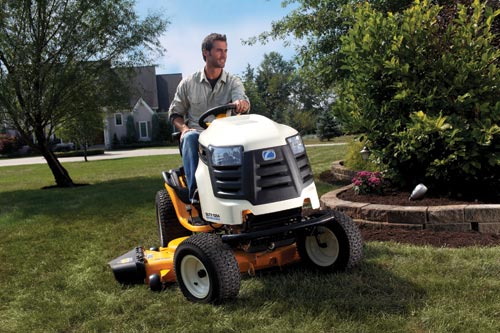
If you have a large lawn, you probably already own a riding lawn mower. Just about every riding lawn mower features a hitch for utilizing equipment like spreaders, de-thatchers and aerators. Check out The Home Depot Outdoor Power Equipment to see a selection of mower accessories. If you have a smaller lawn, you might consider renting an aerator. Local rental centers should be able to provide a motorized aerator that works independent of a riding mower.
Tips for Aerating your Lawn
- Aerate your lawn just before fertilizing or seeding. The plugs you removed will enable both to be more effective
- Avoid aerating during droughts and high heat. Aerating will allow moisture to escape quicker.
- Weeds can benefit too. Aerating can help weeds to spread so be sure to control the weeds before aerating.
- Mow over the plugs. They can be somewhat unsightly so set your mower to mulch and chop up the plugs.
- Softer soil is easier to aerate and has better results. Water your lawn the day before or plan around some rain. It should be moist, not wet.
- Aerate established root systems. Aerating can damage new root systems. Make sure your grass / sod has had time to establish good roots first.
- Be sure to mark sprinklers, sprinkler lines, cable, and anything else that you could possibly damage.










Just a tip- If you have an underground dog fence keep in mind that the wire is not very deep and can be damaged by aerating. We learned this one the hard way!
Great article and extremely timly
Thanks Rob! Always good to hear from you.
Aeration in Georgia is so critical. Due to the compacted clay soil, turf simply has a difficult time thriving without core aerating each year. For higher quality lawns, twice a year is vital. The golf courses aerate monthly in season, why not a home lawn?
Good tips. I bought some “strap on your boots” spike aerators at a yard sale, and this will save me a lot of needless stomping around the yard. Also helpful to know NOT to aerate cool season grasses in the Spring.
Great article. Would it be beneficial to aerate before overseeding in the fall with perennial rye grass?